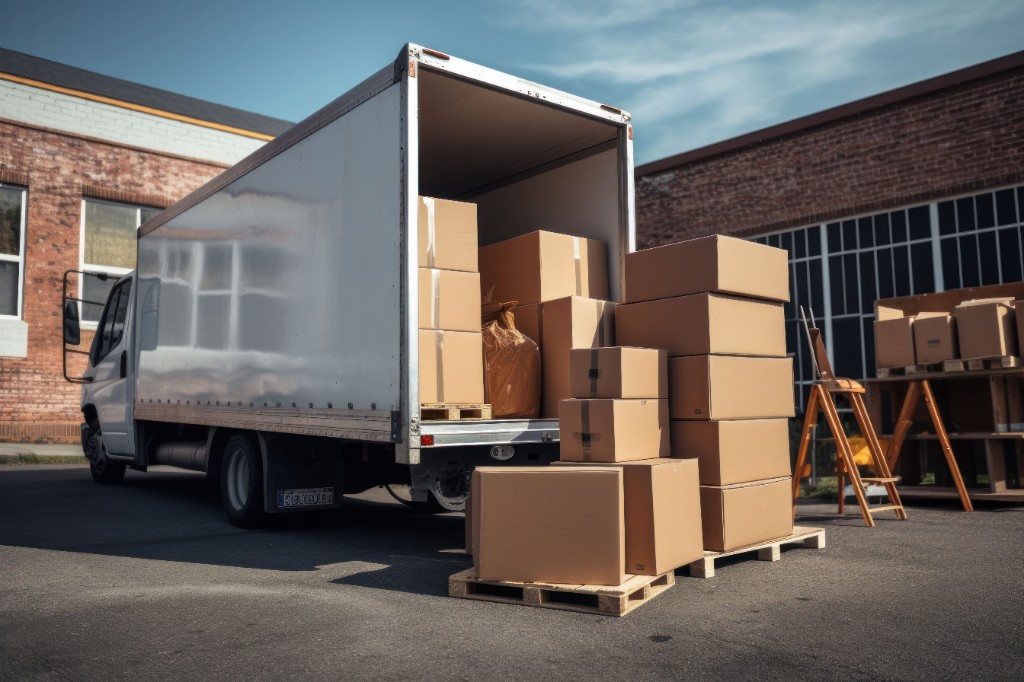



Overseas Military PCS: The Complete Moving Guide for Service Members
Important Disclaimer: Military entitlements, weight allowances, and regulations cited in this article are based on general DOD policies as of early 2025 and are subject to change. Specific entitlements vary by service branch, rank, duty station, and individual orders. Always verify current entitlements and procedures with your Transportation Management Office (TMO), base relocation assistance office, and your command. This article provides general guidance only - official military sources and your orders are authoritative. International Van Lines works with military families but all official entitlement questions should be directed to your TMO.
Getting PCS orders to Germany, Japan, Korea, or any overseas location triggers a mix of excitement and stress. International moves are complicated for anyone. Adding military regulations, weight limits, and coordination with multiple government agencies makes it significantly more complex.
Staff Sergeant Martinez received orders to Ramstein Air Base in Germany with 90 days’ notice. He’d moved domestically three times during his Air Force career and thought he understood the process. The overseas PCS proved completely different. Between figuring out what could ship, what had to go into storage, arranging pet transport, and coordinating with Transportation Management Office (TMO), he felt overwhelmed.
By the time his family landed in Germany, they’d learned what the overseas PCS veterans already knew: preparation and understanding your entitlements makes all the difference. Let’s walk through everything you need to know about overseas military moves.
Understanding Your Entitlements
The military pays for your overseas PCS, but within specific limits. Understanding what you’re authorized prevents surprises and helps you plan effectively.
Weight Allowances
Your authorized weight limit depends on your rank and whether you have dependents. These limits apply to Household Goods (HHG) shipments.
Without Dependents:
- E-1 to E-5: 5,000 lbs
- E-6 to E-7: 8,000 lbs
- E-8 to E-9: 11,000 lbs
- O-1 to O-3: 8,000 lbs
- O-4 to O-5: 12,000 lbs
- O-6 and above: 14,000 lbs
With Dependents:
- E-1 to E-5: 8,000 lbs
- E-6: 11,000 lbs
- E-7: 13,000 lbs
- E-8 to E-9: 14,000 lbs
- O-1 to O-3: 12,000 lbs
- O-4 to O-5: 14,000 lbs
- O-6 and above: 18,000 lbs
These weights include packing materials. The moving company weighs your shipment packed and ready to go, not just the items themselves. Packing materials add roughly 20-30 percent to your actual household weight.
Unaccompanied Baggage (UB) is separate from HHG. You’re typically authorized 350 lbs per person for UB. This is the small shipment of essentials you ship ahead or immediately after departure that arrives within 2-3 weeks at your destination.
What Happens If You’re Overweight
Going over your weight allowance costs you. The government bills you for the excess weight at the military rate, which runs $0.50-1.50 per pound depending on your destination. An extra 1,000 lbs could cost $500-1,500 out of pocket.
TMO weighs your shipment before it ships. If you’re over, you have options:
- Pay the excess charges
- Remove items to get under weight
- Put excess weight into storage at your own expense
The weighing happens at the last minute, creating stress if you’re over. Better to estimate conservatively and ensure you’re under your limit.
The Pro-Gear Exception
Professional gear doesn’t count against your weight allowance. This includes items required for your military duties.
Service members get 2,000 lbs of pro-gear allowance. Spouses who work get an additional 500 lbs of professional gear if they can document it’s required for their profession.
What counts as pro-gear varies. Military uniforms, gear, and equipment clearly qualify. Tools if you’re in a technical field might qualify. Musical instruments for professional musicians can qualify. Your office desk and file cabinet probably don’t qualify unless you can document they’re necessary for telework required by your job.
TMO makes the final determination. Don’t assume something counts as pro-gear without confirming.
Shipping Options and Timeline
Overseas PCS involves multiple shipments with different purposes and timelines.
Household Goods (HHG)
This is your main shipment containing most of your belongings. It ships via ocean container and takes 6-12 weeks to arrive at your overseas destination.
Timeline varies significantly by location:
- Europe from East Coast: 6-8 weeks
- Europe from West Coast: 8-10 weeks
- Asia from West Coast: 6-10 weeks
- Asia from East Coast: 10-14 weeks
These are estimates. Weather, port congestion, customs delays, and shipping schedules affect actual delivery. Build in buffer time and don’t expect your HHG to arrive quickly.
The moving company packs everything. They bring boxes, packing materials, and do all the work. They inventory every item and box. This inventory is crucial for filing claims if anything arrives damaged or goes missing.
You’re not required to be present for the entire pack, but someone needs to be available to answer questions and supervise. Most families have one person stay home during the packing days while the other goes to work.
For overseas moves, HHG can’t include:
- Food items (some exceptions for commercially packaged goods)
- Plants
- Hazardous materials (paint, chemicals, ammunition, propane tanks, etc.)
- Vehicles (ship separately through Vehicle Processing Center)
- Perishables
- Anything irreplaceable like family photos or important documents (put these in UB or carry them)
Unaccompanied Baggage (UB)
UB is your quick shipment of essentials you need before HHG arrives. You’re typically authorized 350 lbs per person. For a family of four, that’s 1,400 lbs total.
UB ships by air freight and typically arrives 2-3 weeks after pickup. It’s designed to get you enough supplies to live semi-comfortably while waiting for your main shipment.
What to include in UB:
- Clothes for 2-3 months covering all weather you’ll encounter
- Toiletries and medications
- Kitchen basics (plates, pots, utensils for basic meals)
- Bedding and towels
- Kids’ essentials, toys, and comfort items
- Important documents and paperwork
- Laptops and electronics you’ll need immediately
- A few personal items that make a place feel like home
Don’t pack your entire wardrobe. Don’t send stuff you won’t need in the first 2-3 months. Every pound counts when you’re limited to 350 per person.
Some service members skip UB entirely and just bring extra luggage on their flights. This works if you’re traveling light or staying in temporary lodging with provided essentials. Others max out their UB allowance because they want as much as possible immediately.
Express Shipment
A few bases offer Express Shipment programs—a middle ground between UB and HHG. You get a larger weight allowance (1,000-2,500 lbs depending on program) that ships by container but gets priority handling for faster delivery (4-6 weeks).
Not all locations participate in Express programs. Ask your TMO if it’s available.
Non-Temporary Storage (NTS)
You’re authorized to put belongings in storage instead of shipping them overseas. This makes sense for items you won’t need during your assignment.
What people typically store:
- Furniture that won’t work in overseas housing (too large, wrong voltage appliances)
- Seasonal items for seasons that don’t exist at your new location
- Vehicles you’re not shipping
- Excess household goods over your weight limit
- Items valuable or sentimental you don’t want subjected to international shipping
Storage is free for the duration of your overseas tour. When you PCS back to the States, your NTS ships to your new duty station.
Storage has its own weight allowance separate from HHG. The combined weight of HHG plus NTS cannot exceed:
- Junior enlisted: 10,000 lbs total
- Senior enlisted: 14,000-18,000 lbs total
- Officers: 14,000-18,000 lbs total
If you ship 8,000 lbs HHG and you’re authorized 14,000 total, you can store 6,000 lbs.
The military stores your items at government warehouses or contracted facilities. You don’t have access during storage. Items go in and don’t come out until your next PCS.
The TMO Process
Transportation Management Office (TMO) on your base coordinates military moves. Here’s the actual process:
Initial Counseling
Once you receive orders, schedule TMO counseling as soon as possible, ideally 90-120 days before your move. The counselor explains your entitlements, weight allowances, shipment options, and timeline.
You’ll discuss:
- Your authorized weight allowances
- Whether you’re shipping a vehicle
- Storage needs
- Unaccompanied baggage requirements
- Special items like motorcycles, boats, or firearms
- Dependent travel arrangements
TMO counseling is mandatory. You can’t arrange your move without it.
Scheduling Your Move
You request desired pack and pickup dates. The government contracts with moving companies who handle the actual move. TMO assigns you to a moving company based on availability and your timeline.
Peak PCS season (summer) fills up fast. If you need June or July dates, schedule early. Off-season moves (winter) offer more flexibility.
You get contacted by the moving company to confirm dates. They’ll confirm when they’re packing, when they’re picking up, and what you need to do to prepare.
Pre-Move Survey
For larger shipments, the moving company might conduct a pre-move survey. A representative visits your home to assess how much you’re moving and what challenges exist (stairs, distance from parking to door, especially large items).
The survey helps them bring adequate supplies and labor. It’s also your chance to point out items requiring special care.
Pack Days
Professional packers arrive and pack everything. For an average household, expect 1-3 days of packing depending on volume.
They pack fast. Like, really fast. They’re trained to pack efficiently, not carefully organize your life. You’ll find random items packed together. Kitchen items end up with bathroom items. They pack trash if it’s sitting out. They’ll pack your coffee maker with coffee still in it.
Before pack day:
- Throw away all trash
- Sort items you’re NOT shipping and put them in your car, a separate room, or clearly marked area
- Remove items from walls
- Set aside essentials you need for the next few days (pack a “do not pack” suitcase)
- Clean out refrigerators and freezers
- Empty gas tanks on lawn equipment and grills
During packing, watch for:
- Are they using adequate packing materials?
- Are they wrapping fragile items properly?
- Is the inventory list accurate?
- Are boxes labeled with contents?
You’ll sign the inventory. This is your record for filing claims later.
Pickup Day
The truck arrives to load your packed boxes and furniture. This typically takes 4-8 hours depending on volume.
They load the truck, you do a final walkthrough to ensure they got everything, and they provide you with paperwork including a complete copy of the inventory and a copy of the bill of lading.
Keep this paperwork forever. Or at least until your HHG arrives and you’ve verified nothing is missing or damaged. You need it for filing claims.
Vehicle Shipment
If you’re shipping a Privately Owned Vehicle (POV), it’s a separate process through the Vehicle Processing Center (VPC), not through your HHG moving company.
You’re typically authorized to ship one POV to most overseas locations. Some locations (like Korea for some assignments) don’t allow POV shipment at all.
Requirements for vehicle shipment:
- Vehicle must be in good working condition
- Less than one-quarter tank of gas
- No personal items inside (they’ll refuse to ship if you leave things in the car)
- Valid registration and proof of insurance
- Pass VPC inspection
The VPC is often located near major ports, which might be hours from your current base. You need to deliver your vehicle to the VPC, not to your home. Plan for how you’ll get back after dropping off your car.
Vehicle shipping takes 6-10 weeks typically. Your car probably won’t be at your overseas base when you arrive. Many service members go weeks or months without their POV.
Not all overseas bases make POV ownership practical. Bases in Germany and England work great for having a car. Bases in Japan and Korea are more challenging. Some service members decide not to ship vehicles at all and rely on base transportation, public transit, or buying a cheap local car.
Pet Relocation
Moving pets overseas is expensive and complicated, but military families do it successfully all the time.
The military does NOT pay for pet relocation. All costs are out of pocket.
Each country has different import requirements. Common requirements include:
- Microchip implantation
- Rabies vaccination and sometimes rabies titer test
- Health certificates from veterinarian and USDA
- Import permits
- Specific parasite treatments
Some destinations (Japan, Hawaii, Guam) have strict requirements including long lead times and potential quarantine.
Costs for moving one dog or cat overseas typically run $800-3,000 depending on destination and whether you use a pet relocation service or handle it yourself.
Airlines have restrictions on pet transport. Some breed restrictions apply. Summer and winter temperature restrictions can limit travel windows.
Start researching pet requirements immediately upon receiving orders. Some destinations require processes that take 6+ months to complete. You cannot rush certain requirements.
Your base Veterinary Treatment Facility can help with some requirements, but you’ll probably need civilian vets for other services.
Housing at Your New Base
You won’t choose your specific housing unit until you arrive and in-process. But you can research typical housing sizes to inform what you ship.
Overseas housing is often smaller than US housing. What fit in a 2,000 sq ft house stateside might not fit in the 1,200 sq ft unit you get in Germany.
Furnished versus unfurnished varies by location. Some overseas bases offer furnished units (especially for short tours or unaccompanied assignments). Others are unfurnished like stateside housing.
Garages and storage spaces are often limited overseas. The basement storage and two-car garage you had stateside might not exist. This factors into what you ship versus store.
Voltage differences matter. US appliances are 110V. Most overseas locations use 220-240V. You’ll need transformers for some items or just plan to leave US appliances in storage and buy local appliances.
Financial Considerations
Overseas PCS costs money even though the military covers the move. Budget for:
Travel costs: The military provides travel allowance and pays for transportation, but you’ll have meals, incidentals, and potential extra nights in hotels. Budget $500-2,000 depending on family size and travel distance.
Pet relocation if applicable: $800-3,000+ per pet.
Settling-in costs: You need to eat before your HHG arrives. You might need to buy adapter plugs, new appliances, or household items that don’t ship well. Budget $500-1,500.
Vehicle considerations: If you don’t ship a POV, you might buy a car overseas. If you do ship a POV, gas and insurance costs overseas differ from the US.
Currency conversion fees: Using US bank cards overseas incurs fees. Setting up local banking takes time.
Making Your Overseas PCS Smoother
Talk to people who’ve been to your base. Facebook groups and base-specific forums provide current information from service members currently stationed there.
Create a household inventory before the movers arrive. Take photos and videos of valuable items. This helps with insurance claims if needed.
Overestimate what you’ll need in unaccompanied baggage. It’s better to have too much in UB than not enough for the 2-3 months before HHG arrives.
Label your “do not pack” items clearly. Put them in your car if possible. Packers will pack literally everything if you don’t separate it.
Keep all moving paperwork in a safe place. You’ll need inventory lists, weight tickets, and bills of lading if you file claims or have issues.
File claims quickly if you discover damage or missing items. You have time limits for filing (typically 75 days for damage discovered at delivery, 9 months for damage discovered later).
Some families use a mix of military move plus personally procured move (PPM or DITY move) for certain items. This gives you more control over specific valuable items. Ask TMO about partial PPM options.
If you’re shipping irreplaceable items despite recommendations, purchase full replacement value insurance. The military’s basic coverage is limited.
When You Need Commercial Moving Services
Sometimes families choose to supplement military moves with commercial moving services for items that need special care or don’t fit within military weight limits.
Commercial movers can handle:
- Oversized items that military movers struggle with
- Vehicles that don’t qualify for military vehicle shipment
- Excess weight you don’t want to pay military overweight charges for
- High-value items you want specialized handling for
- Items with specific timing needs
While the military covers most of your move, selective use of commercial services for specific needs can provide peace of mind.
Contact Us About International Moving
Frequently Asked Questions
Can I ship my motorcycle or boat?
Motorcycles usually yes, boats depend on size. Both have separate processes and might count against your weight allowance depending on classification. Ask TMO about specific rules for your situation.
What if my HHG shipment is delayed?
The military provides basic furnishings through loaner programs if your HHG is severely delayed. You’ll get beds, basic furniture, and household items to make your place livable. You won’t get your stuff, but you won’t sleep on the floor.
Can I ship ammunition or firearms?
Firearms yes, with proper documentation and notification to the moving company. Ammunition no—it’s classified as hazardous material and cannot ship in HHG. You’ll need to transport ammunition separately through other channels or dispose of it before moving.
What happens to my stuff in storage when I PCS back to the States?
It ships to your new duty station along with anything you ship from your overseas location. The government coordinates delivery so everything arrives around the same time. Sometimes storage items arrive earlier or later than your overseas shipment, though.
Can I access my stored items during my overseas tour?
No. NTS is long-term storage in government facilities. Items go in and stay there until your next PCS. If you think you’ll need something during your overseas tour, ship it with HHG or leave it with family in the US.
What if I want to do a personally procured move (PPM/DITY) for my overseas PCS?
Full PPM for overseas moves is complicated and rarely approved. Partial PPM where you handle certain items yourself while the government ships HHG normally is sometimes possible. Discuss options with TMO.