


Should You Ship Your Car Overseas? The Complete Cost Breakdown
Important Disclaimer: All costs, fees, and pricing information in this article are estimates based on industry averages as of early 2025 and can vary significantly based on numerous factors including origin/destination, vehicle size, shipping method, season, and current market conditions. Prices quoted do not represent guaranteed rates from International Van Lines. Import duties, taxes, and regulations vary by country and change frequently. Always obtain current quotes from shipping companies and verify import requirements with official government sources and customs authorities for your specific situation.
Look, we’re not going to sugarcoat this. Shipping a car internationally is expensive. Like, really expensive. But sometimes it makes perfect sense, and sometimes you’d be better off selling your car and buying another one at your destination. Let’s figure out which category you fall into.
Last month, we helped a family ship their 2020 Toyota 4Runner from Miami to Sydney. The total cost, including shipping, insurance, duties, and compliance modifications? Just over $8,500. They knew going in it would be pricey, but they’d spent years building that vehicle exactly how they wanted it, with specific modifications for camping and off-roading. For them, it was worth every penny.
The week before, we talked to someone who wanted to ship a 2015 Honda Civic to Germany. After walking through the real costs, they decided to sell the car in the US and buy a similar model there. They would have spent $4,000+ shipping a car worth maybe $8,000, which didn’t make financial sense.
The Base Cost: What You’ll Definitely Pay
Shipping methods break down into two main categories, and the price difference is significant.
Roll-On/Roll-Off Shipping (RoRo)
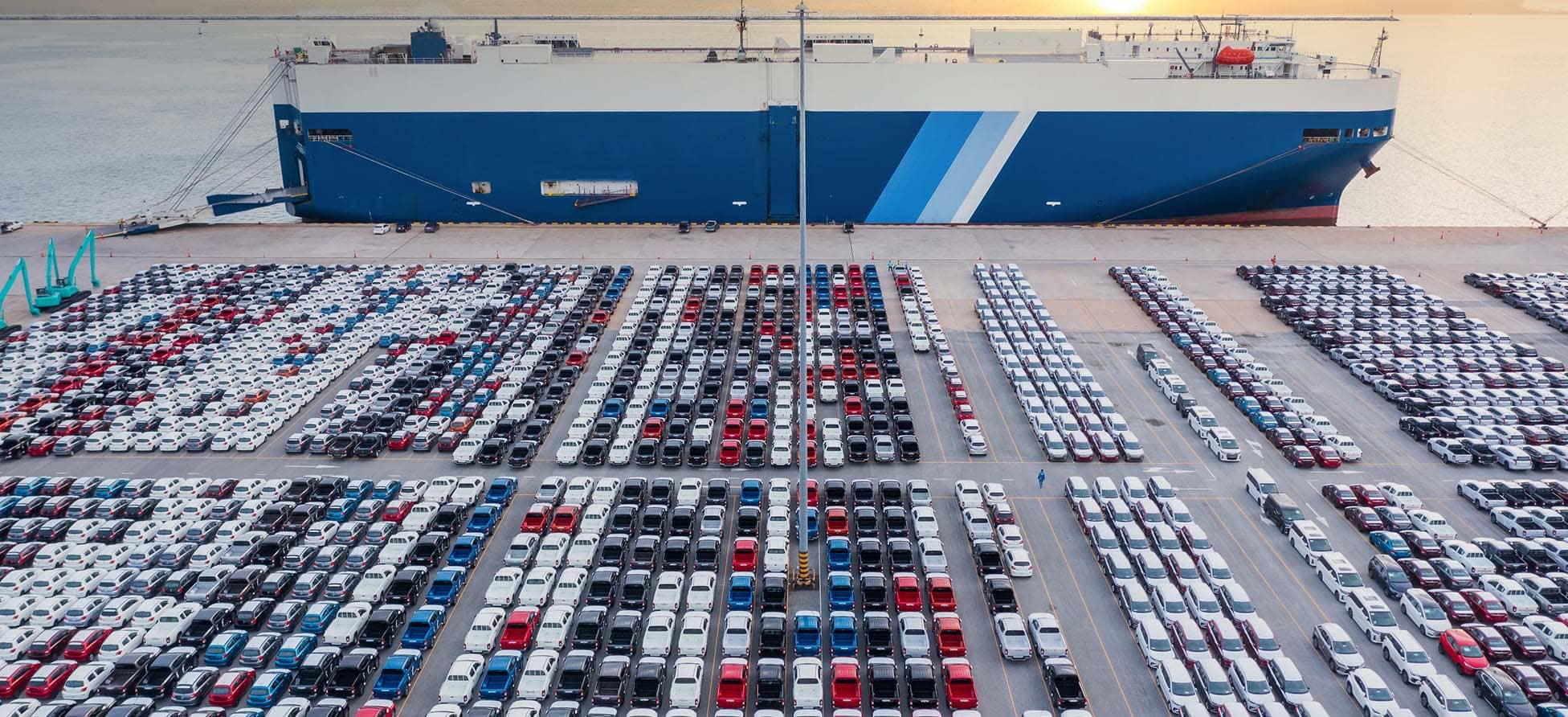
RoRo is the budget option, relatively speaking. Your car gets driven onto a massive cargo ship alongside hundreds of other vehicles, secured to the deck, and driven off at the destination port. No container, no extra packaging, just your car exposed to the elements during the voyage.
Costs for RoRo vary wildly based on distance and route:
From the US East Coast to Europe, industry estimates typically range from $1,200-2,000 depending on specific routing and season. Popular departure ports include Baltimore, New York, and Savannah to major European ports like Hamburg, Bremerhaven, or Southampton.
West Coast to Australia generally runs $1,800-3,200 based on recent industry averages. LA and Oakland have regular routes to Sydney, Melbourne, and Brisbane.
To Asia, estimates typically range from $1,500-2,800 depending on the specific country and current market rates. Japan and South Korea routes often have more competitive pricing due to heavy cargo traffic, while Southeast Asian destinations can cost more despite shorter distances due to fewer direct routes.
Middle East destinations from the US East Coast typically range from $1,400-2,400 in recent estimates. Dubai and Jebel Ali are major ports with good connectivity.
Note: These are approximate ranges only. Request current quotes for accurate pricing specific to your vehicle and timeline.
Those are just the base shipping costs. You’re not done yet, not even close.
Container Shipping
This is the premium option. Your car goes inside a 20-foot or 40-foot shipping container, protected from weather and prying eyes. You can even pack household goods around it if there’s space, though many countries restrict this practice.
Container costs run significantly higher. A 20-foot container that fits one standard vehicle costs $2,500-5,000 for most routes. The 40-foot container, which can fit two cars or one large vehicle plus belongings, runs $4,000-8,000.
Why would anyone pay double or triple for container shipping? Security is the big one. Your car stays locked inside the container from origin to destination. Weather protection matters if you’re shipping a classic car or luxury vehicle. And that ability to pack some household items alongside your vehicle can save money if you’re moving internationally anyway.
One client shipped a vintage 1967 Mustang he’d restored from California to London. RoRo wasn’t even an option he’d consider. The car went in a dedicated 20-foot container with custom securing and climate monitoring. Total cost was $6,800 for shipping alone, but there was no way he was letting that car sit exposed on a cargo deck for three weeks.
The Hidden Costs That Add Up Fast
This is where most people get sticker shock. The shipping cost is actually just the beginning.
Port Fees and Handling
Both origin and destination ports charge fees for processing your vehicle. Origin fees are usually $200-400 total. You’ll pay for terminal handling, documentation processing, and security inspections.
Destination port fees are worse. Europe charges €150-400 depending on the country. Australia hits you for AUD$400-800. These fees cover customs processing, port storage, and quarantine inspections if required.
Here’s the kicker: many ports charge daily storage fees after your car arrives. You typically get 3-5 free days, then it’s $50-100 per day until you pick it up. We’ve seen people rack up $500+ in storage fees because they didn’t have their paperwork sorted out quickly enough.
Insurance
The moving company’s basic liability coverage is laughably low, usually around $0.50 per pound. For a 3,500-pound car, that’s $1,750 total coverage. If your car is worth more than that (and it probably is), you need supplemental insurance.
Full value marine insurance costs about 1.5-3 percent of your car’s declared value. Shipping a $25,000 car? Budget $375-750 for proper insurance. Worth it for peace of mind? Absolutely. We’ve seen shipping damage happen, and you don’t want to be underinsured when it does.
Import Duties and Taxes
This is where things get really complicated and expensive. Every country calculates import duties differently, and some countries make importing a car nearly impossible.
European Union countries charge:
- Import duty: 10 percent of the car’s value
- VAT: 19-25 percent depending on the country (calculated on car value plus duty)
So if you’re shipping a $30,000 car to Germany, you’re looking at $3,000 in import duty, then 19 percent VAT on $33,000, which is another $6,270. Total tax hit: over $9,000. Suddenly that’s a very expensive car.
Australia charges:
- Import duty: 5 percent of car value
- GST: 10 percent of value plus shipping costs plus duty
- Luxury Car Tax: if the car’s value exceeds AUD$76,950, you pay an additional 33 percent on the amount over that threshold
Canada is actually more reasonable:
- 6.1 percent import duty on most vehicles
- Federal GST or HST depending on province
- The car must meet Canadian safety and emissions standards, which might require modifications
United Kingdom post-Brexit:
- 10 percent import duty
- 20 percent VAT on the total value including duty and shipping
Some countries, like Singapore, make private car imports so difficult and expensive with their Certificate of Entitlement system that it’s rarely worth attempting. Others, like China, have such high duties (25 percent+) and complex regulations that only specialty importers attempt it.
Compliance and Modifications
Your car needs to meet the destination country’s safety and emissions standards. Sometimes your car already complies. Often, it doesn’t.
Australia has particularly strict compliance requirements. Unless your car is over 25 years old (qualifying as a classic), it needs to be on the country’s approved import list or go through individual vehicle approval. The compliance process costs AUD$2,000-4,000 and might require modifications like different lighting, speedometer changes, or emissions equipment.
Europe requires cars to meet EU safety standards. US-spec vehicles often need headlight modifications, different turn signals, and speedometer adjustments. Budget $500-2,000 for compliance work.
Japan, interestingly, is quite flexible with imports, especially for American vehicles. The compliance costs are lower, typically $300-800.
The UK requires a vehicle to pass an IVA (Individual Vehicle Approval) test unless it’s over a certain age. The test itself costs around £200, but getting the vehicle ready might cost significantly more.
Making the Financial Decision
Let’s break down a real example. Say you want to ship a 2019 Ford F-150 from Texas to Australia. The truck’s worth about $35,000 in the US.
RoRo shipping: $2,500 Marine insurance: $700 Origin port fees: $300 Destination port fees: AUD$600 ($400 USD) Import duty (5%): $1,750 GST (10%): $3,815 Compliance modifications: AUD$3,500 ($2,300 USD) Compliance certification: AUD$800 ($525 USD)
Total: approximately $12,290
Is your truck worth $47,290 to you? Because that’s effectively what you’re paying once you add up everything. Meanwhile, a comparable F-150 in Australia sells for around AUD$65,000-75,000 ($42,000-49,000 USD). Suddenly the math looks different.
But here’s where personal factors matter. If that truck has sentimental value, or you’ve modified it extensively, or vehicles in your destination country are significantly more expensive, shipping might make sense despite the high cost.
Vehicles That Make Sense to Ship
Through years of helping people with international moves, we’ve noticed patterns in which vehicles are worth shipping:
Classic or collector cars almost always make sense. A rare or vintage vehicle that’s appreciated in value or has sentimental worth is worth the shipping cost. Plus, many countries offer more favorable import treatment for vehicles over 25-30 years old.
Heavily modified vehicles with thousands of dollars in upgrades often make sense. If you’ve built your dream overland vehicle, race car, or custom ride, replacing those modifications would cost more than shipping.
Vehicles that are much more expensive at your destination justify shipping costs. American trucks and SUVs often sell for premium prices in countries where they’re less common. Large pickup trucks in Europe or Australia can cost nearly double what they cost in the US.
Vehicles you still owe money on might need to be shipped to avoid taking a loss on selling. If you’re upside down on your car loan, shipping might be your best option financially.
Brand new or nearly new cars sometimes make sense if you’d take a big depreciation hit selling them. A car you bought six months ago has already lost 15-20 percent of its value.
Vehicles You Should Probably Sell
Standard sedans and common models rarely make financial sense to ship. A Honda Accord, Toyota Camry, or similar vehicle costs roughly the same globally. The shipping and import costs exceed any value difference.
Vehicles that don’t meet destination country standards and would require extensive modifications should probably stay behind. If your truck needs $4,000 in modifications to pass compliance, that’s $4,000 you’re adding to an already expensive process.
Older vehicles with questionable reliability might not survive the shipping process or pass destination country inspections. If your car is already having mechanical issues, the stress of shipping and sitting idle for weeks can make things worse.
Vehicles with salvage titles or significant accident history face difficulties importing to many countries. Some countries won’t accept them at all. Others charge higher duties or require additional inspections.
The Process Timeline
Understanding the timeline helps you plan better. This isn’t a quick process.
Week 1-2: Research import requirements for your destination country. Contact shipping companies for quotes. Decide on RoRo versus container shipping. Gather vehicle documentation including title, registration, and maintenance records.
Week 3-4: Book your shipping. Pay the deposit (usually 25-50 percent). Begin the export documentation process. You’ll need a clean title in your name. Some countries require a notarized letter stating the car is for personal use, not resale.
Week 5-6: Prepare your vehicle. Most shippers require less than a quarter tank of gas. Remove all personal belongings and aftermarket additions not bolted down. Disable alarms. Take detailed photos of the vehicle’s condition.
Week 6-7: Deliver your vehicle to the port or have it picked up. The shipping company inspects it and generates a condition report. Your car enters the port’s secure storage area waiting for the next available vessel.
Week 8-11: Your car is in transit. Transit times vary by route. East Coast US to Europe takes 1-2 weeks. West Coast to Asia takes 2-3 weeks. West Coast to Australia takes 3-4 weeks. You can usually track the ship’s progress online.
Week 12-14: Your car arrives at the destination port. Customs processing begins. You’ll need to provide import documentation, pay duties and taxes, and possibly arrange for compliance inspections. This stage causes the most delays because paperwork issues are common.
Week 15-16: Once cleared by customs and any required inspections, you can collect your vehicle or have it delivered. If modifications are needed for compliance, add another 1-2 weeks.
Total timeline: 3-4 months from booking to driving your car in your new country. Some routes are faster, some slower. European routes tend to be quickest. Australian and New Zealand routes take longest due to strict biosecurity requirements.
Alternatives to Consider
Before committing to shipping, explore these options:
Short-term rental while you search for a vehicle locally gives you time to understand the local car market without rushing. Many people ship their car, then regret it after realizing local options were better than they thought.
Buying at your destination might cost less than you think, especially in countries where your type of vehicle is common. Research what your car would cost to buy locally versus ship.
Selling in the US and buying a similar vehicle at your destination eliminates all the shipping headaches. You lose some money on the sale, but you might lose just as much on shipping costs.
Leasing at your destination makes sense if your international assignment is temporary. Why ship a car you’ll just ship back in two years?
Getting Started
If you’ve decided shipping makes sense, start with research. Facebook groups and forums for expats in your destination country provide real-world experiences and updated information on import regulations that change frequently.
Get multiple quotes from shipping companies. Prices vary significantly, and you want companies experienced with your specific route. Ask about their insurance coverage, what their quotes include and exclude, and their process for handling customs documentation.
Understand your destination country’s import requirements thoroughly. Many countries require vehicles to be less than a certain age to import. Some restrict diesel vehicles. Others have emissions standards that US vehicles don’t meet.
Factor in all the costs, not just shipping. Make a spreadsheet with every expense we’ve discussed. The total number might surprise you. Then compare that to local vehicle prices and make your decision with full information.
Making Your International Move Easier
Shipping a car overseas is complicated, but it’s just one piece of the international moving puzzle. When you’re relocating to another country, having an experienced team handling your household goods makes everything smoother.
We’ve been helping families make international moves for decades, and we understand how stressful it can be. Whether you decide to ship your car or not, we can help get your belongings to your new home safely and efficiently.
Contact Us for International Moving Services
Frequently Asked Questions
How long does international car shipping take?
Transit times range from 1-4 weeks depending on the route, plus several weeks on each end for port processing and customs clearance. Total timeline is typically 2-4 months from booking to delivery.
Can I pack belongings inside my car?
RoRo shipping generally prohibits personal belongings inside the vehicle. Container shipping sometimes allows it, but many destination countries restrict or tax household goods shipped with vehicles. Check regulations carefully.
What happens if my car is damaged during shipping?
This is why proper insurance is critical. Document your car’s condition with detailed photos before shipping. File claims immediately upon delivery if you notice damage. Having comprehensive marine insurance ensures you’re covered for the car’s full value.
Do I need to be present for vehicle pickup at the destination?
Usually, yes, or you need to designate a customs broker or agent to handle it on your behalf. You’ll need to sign paperwork and pay any outstanding fees before taking possession.
Are electric vehicles more complicated to ship?
Battery regulations make EVs slightly more complicated, but shippers handle them routinely. Some countries have restrictions on battery capacity or require specific documentation. RoRo shipping is often preferred for EVs to minimize battery drain concerns.